Stories that must not be forgotten
A village with a remarkable wartime history
At first glance, Grijpskerke during the Second World War might not seem like a subject one would immediately think of writing a book about. Yet behind this quiet village in Walcheren lies a history full of gripping stories. Stories which, according to author Hans Sakkers, must not be lost, because they form part of the identity of the village and of Zeeland.
That conviction formed the basis for the book “Grijpskerke in the Battle of the Scheldt”. With this publication, Sakkers not only brings the village’s wartime history to light, but also gives a voice to people memories of whom were beginning to fade.
The moving story of Pieternella
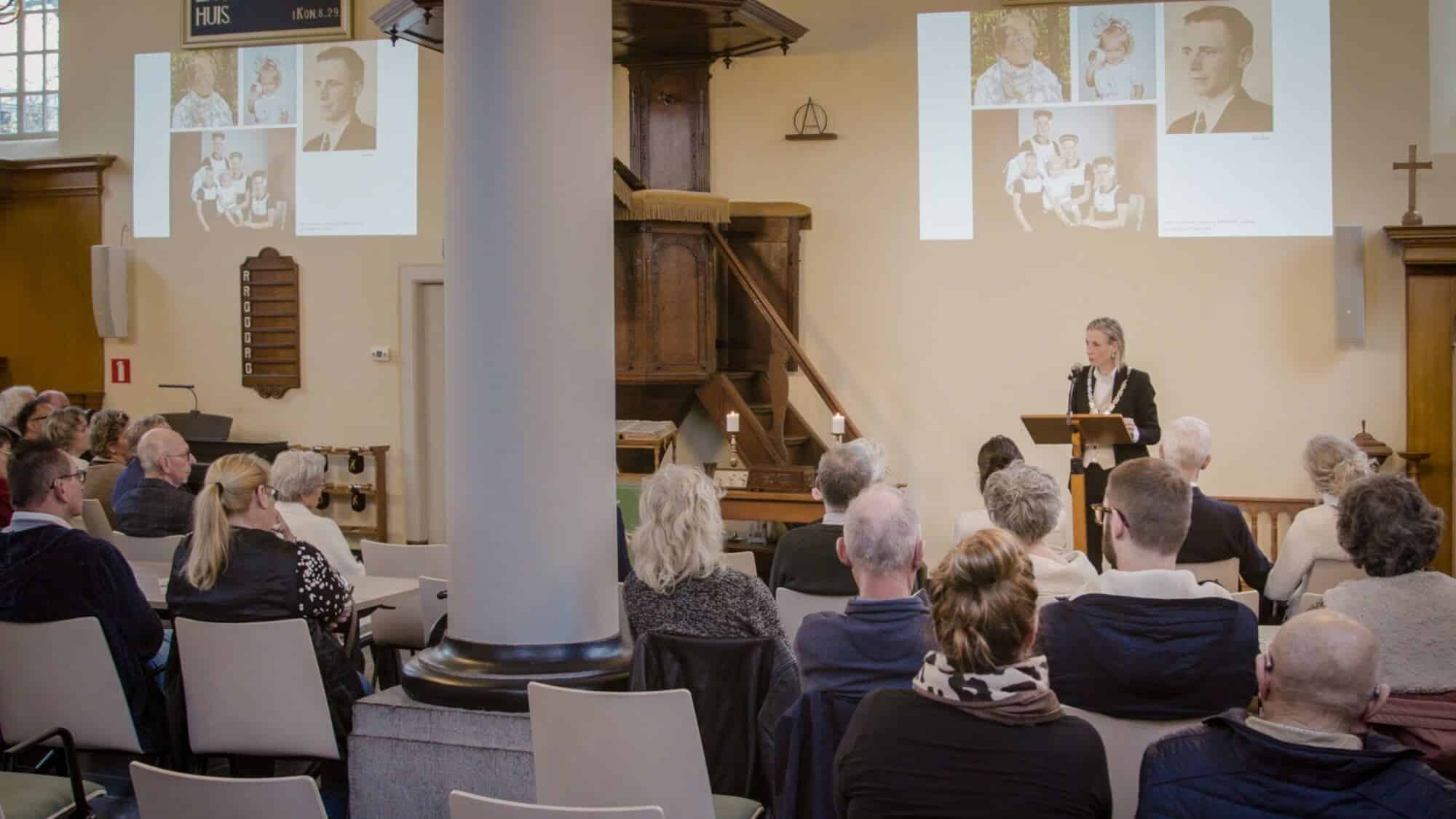
One of the most impressive stories is that of Pieternella Marijs. She was just four years old during the war. When bombs fell on Walcheren, her family sought shelter in a bomb shelter. Her mother was ill and stayed at home, whilst her father remained with her. Pieternella went to the bomb shelter with her brother Ko and her sisters Bets, Coba and Laurien. It was precisely that shelter that took a direct hit.
The consequences were tragic. Her brother and three sisters were killed. Pieternella was the only one of the five children to survive. According to the story, her brother even threw himself on top of her to protect her. Seriously injured, she was taken by boat to the hospital in Middelburg. What happened that day would shape the rest of her life.
A final wish fulfilled
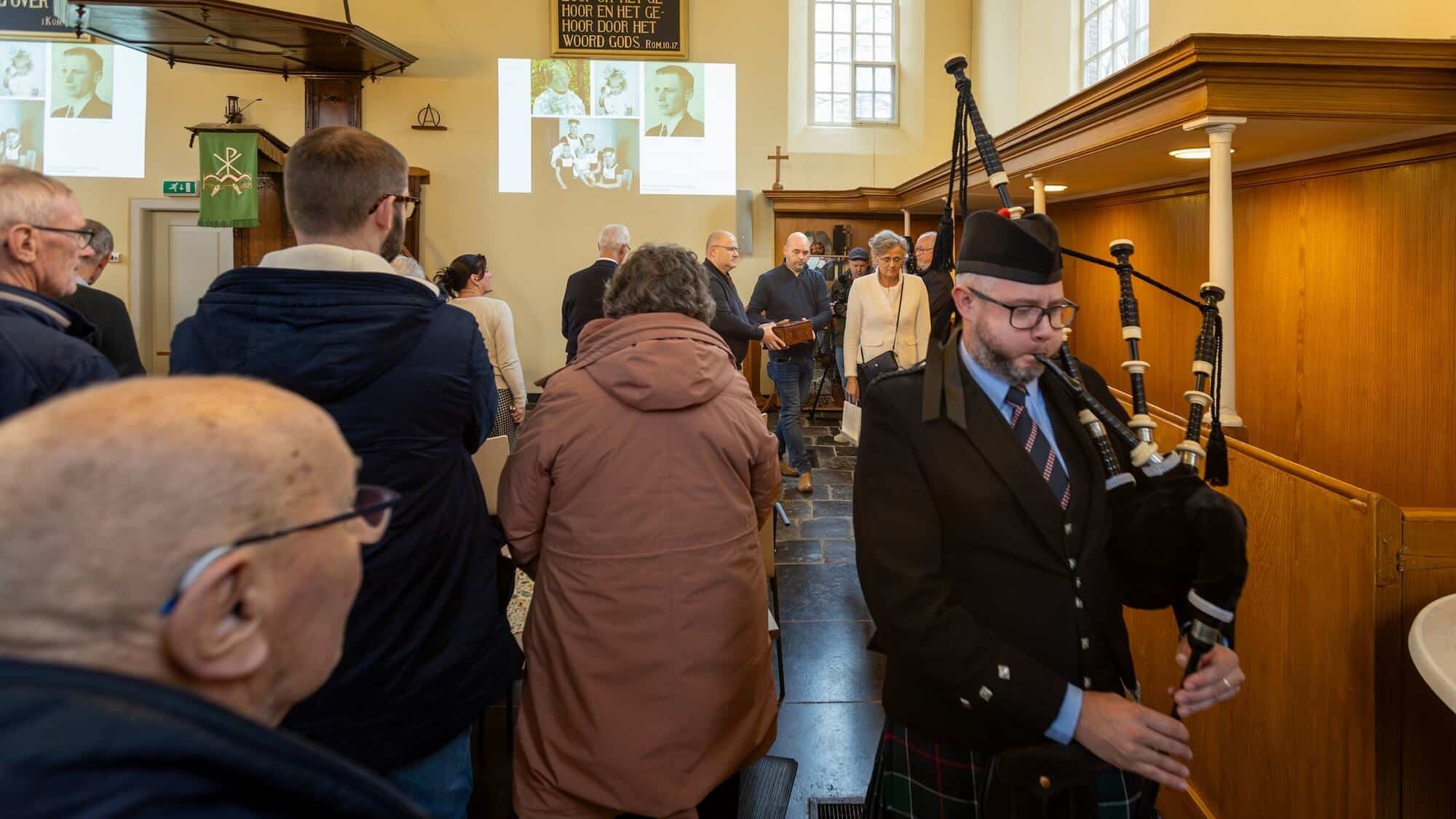
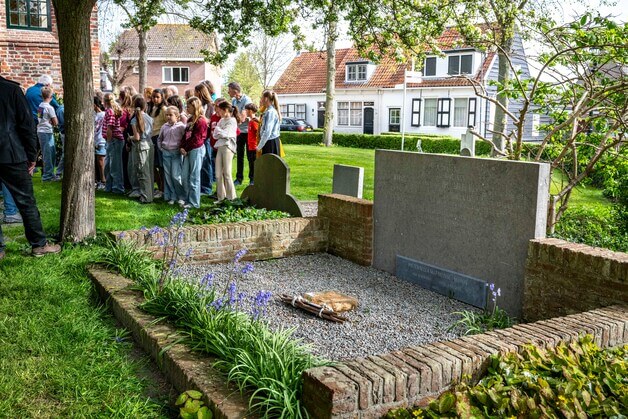
Last year, her deepest wish came true. Following her death, Pieternella was laid to rest in the family grave in the churchyard at Grijpskerke, where her brother and sisters were also buried. As burials in the churchyard are no longer permitted, the municipality of Veere granted exceptional permission for this. This meant a great deal to her family.
On the grave lies a small bundle of twigs tied with a ribbon, a symbol that the siblings are together again after so many years.
Young people keep the memory alive
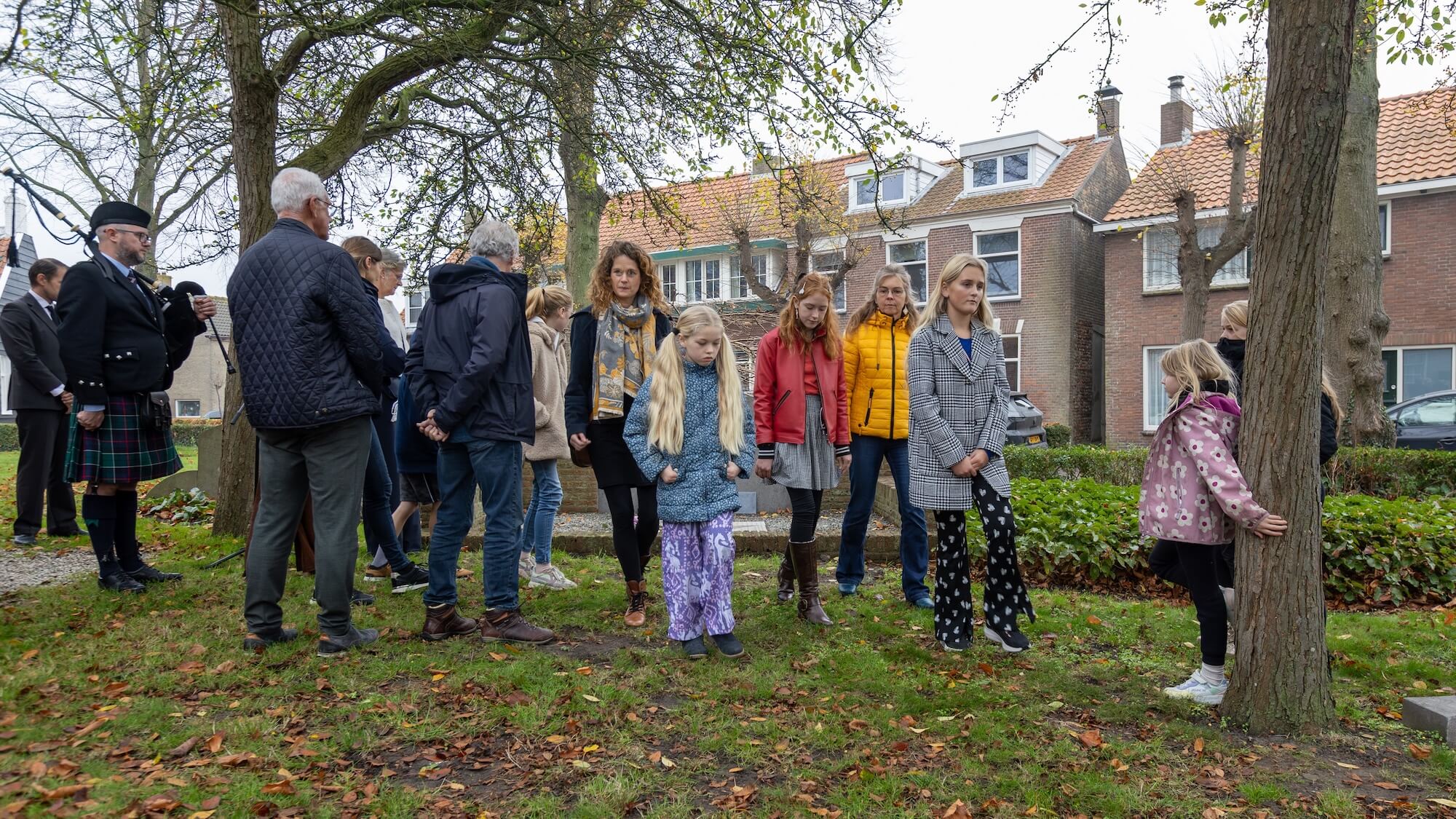
The history of the Marijs family now lives on among the youngest generation too. Pupils from the Bergpadschool have adopted the family grave. They look after it, lay flowers and pass the story on to subsequent groups of pupils.
This involvement arose partly thanks to a guest lecture by Hans Sakkers at the Het Polderhuis museum in Westkapelle. There, he told the pupils about their village’s wartime history. The children listened with rapt attention. When they heard that Pieternella had lived on Kelderweg, the history suddenly became tangible. It was no longer about a distant past, but about people who had lived in the very same places where they now live, play and go to school.
Afterwards, the children wanted to visit the family grave straight away. For Sakkers, that was a special moment. It is precisely in this that he sees the power of local history. Major world events can remain abstract for children, but stories from their own neighbourhood speak directly to them.
From gravestone to book
Pieternella’s story also marked the start of a wider quest. Whilst working on the family grave, Sakkers came across the grave of Sonja Modderman, a fifteen-year-old girl who had also lost her life to the violence of war. Her name was unfamiliar in Grijpskerke, which piqued his curiosity.
As he delved into her history, a flood of new information emerged. Ultimately, that quest led to the creation of the book.
One hundred books for the Bergpadschool
To ensure that these stories live on, the Grijpskerke Village Council donated one hundred copies of the book to the Bergpadschool. The books are intended for the school’s senior classes and will also be used in lessons. Every year, new pupils will learn about the history of their village.
During the official handover of the first copies to child mayor Eefje and Mayor Frederiek Schouwenaar, the pupils themselves recounted the story of the Marijs family. The mayor expressed her appreciation for the way in which the children are keeping this history alive. In her view, history is not just part of the past, but also part of the future.
Stories to pass on
This view is shared by the pupils themselves. They realise that it is important to pass on stories from history, because there are lessons to be learnt from them. By tending the family grave and passing the stories on to future generations, they ensure that the victims of that time are not forgotten.
For Hans Sakkers, that is the most important reason for recording these stories. Not so much as a warning, but because they are part of who we are. Grijpskerke’s wartime history forms part of Zeeland’s heritage. These are stories of ordinary people, from an ordinary village, which show just how profoundly war can affect people’s lives.
And that is precisely why they are worth continuing to tell.
The Hurgronje Family Fund has made a financial contribution towards the realisation of this book.
0 comments